
100jili - The Complex World of Jueteng: A Deep Dive into the Popular Numbers Game
Explore the cultural, social, and economic facets of jueteng, a popular yet illegal numbers game in the Philippines, and delve into the emerging trend of 100jili.
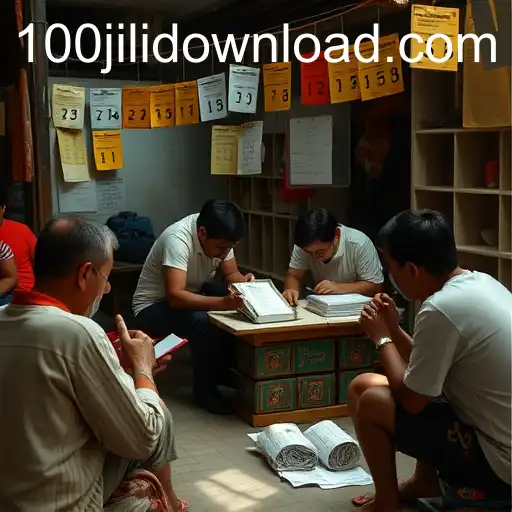
Understanding the Complex World of Jueteng
The Origins of Jueteng
Jueteng is a popular numbers game in the Philippines, often described as a form of illegal gambling. Despite its illicit status, the game has deep roots in Filipino culture, having been played for centuries. Its origins can be traced back to the colonial period, adapting over time to become the widespread phenomenon it is today.
The Mechanics of Jueteng
The game of jueteng involves betting on a combination of numbers from a total of 37 numbered balls. Typically, a bettor chooses two numbers, and if these numbers are drawn, they win a prize. The draw is usually conducted twice a day, enticing participants with regular chances to win.
One of the reasons for jueteng's popularity is its simplicity and the low cost to enter. For many Filipinos, it offers an appealing opportunity to transform a minimal wager into a substantial payout, making it particularly attractive to those in economically disadvantaged situations.
The Social and Economic Impact
Jueteng has a significant impact on Filipino society, both socially and economically. It provides employment to thousands, including bet collectors known as kubradores and draw coordinators or cobradors. For some, it represents a survival strategy in a country where economic opportunities can be limited.
However, the negative consequences cannot be overlooked. Jueteng often diverts household funds from essential needs and contributes to the cycle of poverty in poorer communities. Furthermore, the illegal nature of the game fosters corruption, with reports of law enforcement turning a blind eye in exchange for bribes.
Political Connections
The game has infiltrated the political sphere in the Philippines, with allegations of jueteng money being used to finance political campaigns. It is not uncommon to hear accusations of public officials being involved in or benefiting from jueteng operations.
These political connections often complicate efforts to eradicate the game. The intertwining of power and money creates a network that is challenging to break, perpetuating jueteng’s existence despite numerous crackdowns.
The 100jili Element
In recent years, a new term, "100jili," has emerged in the context of jueteng. While its precise meaning or origin is unclear, it appears to represent a broader evolution of gambling activities in the Philippines, possibly indicating a trend or variation within jueteng or related games.
The introduction of terms like 100jili highlights the constantly shifting landscape of gambling in the country, as operators look for innovative ways to attract participants. This evolution often includes the digitization of betting processes, appealing to a tech-savvy younger generation.
Efforts to Address the Jueteng Problem
Efforts to curb jueteng have taken many forms over the years, from government campaigns to local community initiatives. However, the complexity of its integration into society makes it a difficult issue to address effectively.
Legalization Attempts
One proposed solution has been the legalization and regulation of jueteng. Proponents argue that turning it into a legal activity could help reduce corruption, generate government revenue through taxes, and improve oversight. However, opponents worry that legalization might increase gambling addiction and its accompanying social ills.
Past attempts to legalize certain forms of jueteng have met with mixed results, reflecting deep-seated divisions within Philippine society about the best way to handle the game.
Community-driven Solutions
Beyond legislative measures, community-driven solutions have shown promise. Grassroots initiatives focusing on educational programs and economic empowerment aim to reduce reliance on gambling as a financial safety net. Jobs creation and skills training programs can offer alternatives to those involved in jueteng operations.
Looking Ahead
The future of jueteng in the Philippines remains uncertain. While some see potential in reimagining the game as a smaller, legalized activity, others advocate for its complete eradication. As the country continues to develop, addressing the underlying social factors that fuel jueteng's popularity will be essential.
The term 100jili may be just one of many in the ever-growing lexicon of Filipino gambling, but it signifies the need for dynamic, adaptable solutions in dealing with the dual challenges of tradition and modernization. For the time being, jueteng remains a contentious issue, deeply embedded in the cultural and social fabric of the Philippines.








GOLD VIP
Minimum deposit: ₱1,500
- ✅ 150% bonus on all deposits
- ✅ Priority withdrawal in 1 minute
- ✅ 10% cashback weekly
- ✅ VIP support 24/7
- ✅ Higher betting limits
PLATINUM VIP
Minimum deposit: ₱6,000
- ✅ 200% bonus + all Gold benefits
- ✅ Instant withdrawal 24/7
- ✅ 15% cashback weekly
- ✅ Exclusive VIP table in casino
- ✅ Special event invitations
DIAMOND VIP
Minimum deposit: ₱30,000
- ✅ 300% bonus + all previous benefits
- ✅ Dedicated personal manager
- ✅ 20% cashback weekly
- ✅ Unlimited withdrawal limits
- ✅ Exclusive trips and gifts
🚀 Register NOW and Get ₱15,000 Bonus!
⏰ LIMITED TIME OFFER! Join over 1.2 million players who have already discovered why 100jili is the #1 betting platform in the Philippines. Registration in 30 seconds, first withdrawal in 2 minutes!
💬 What our players say
"Best platform I've ever used! GCash withdrawal in 2 minutes, amazing support!"
- Carlos M., Manila ⭐⭐⭐⭐⭐
"Won ₱45,000 on Gates of Olympus! They paid everything correctly via GCash."
- Ana L., Cebu ⭐⭐⭐⭐⭐
"VIP system is amazing! I have a personal manager and cashback every week."
- Roberto S., Davao ⭐⭐⭐⭐⭐
PAGCOR License
SSL 256-bit
eCOGRA
BSP Approved